Business

Even If You Don't Use AI, Your Power Bill Goes Up: Japan Utilities File for a 600 Billion Yen Grid Fee Hike.

Per Nikkei, most of the cost of maintaining the power grid for data centers will be passed on to household and business electricity rates starting in November.

· Huuush

Even If You Don't Use AI, Your Power Bill Goes Up: Japan Utilities File for a 600 Billion Yen Grid Fee Hike

Key takeaways

  1. 1Even someone who has never used generative AI will share the cost starting this November.
  2. 2This is from a report by Nikkei (Japan's leading business daily) on its own X account and in a paid article at 9:06 a.m. KST on August 14, 2026. Major Japanese power companies filed for rate increases totaling about 600 billion yen .
  3. 3According to Nikkei, the key background to the increase is the cost of maintaining the power grid that supports generative AI services such as ChatGPT and Gemini. Large data centers consume enormous amounts of power, and the cost of upgrading the transmission network for them ends up in electricity bills in the form of transmission charges .
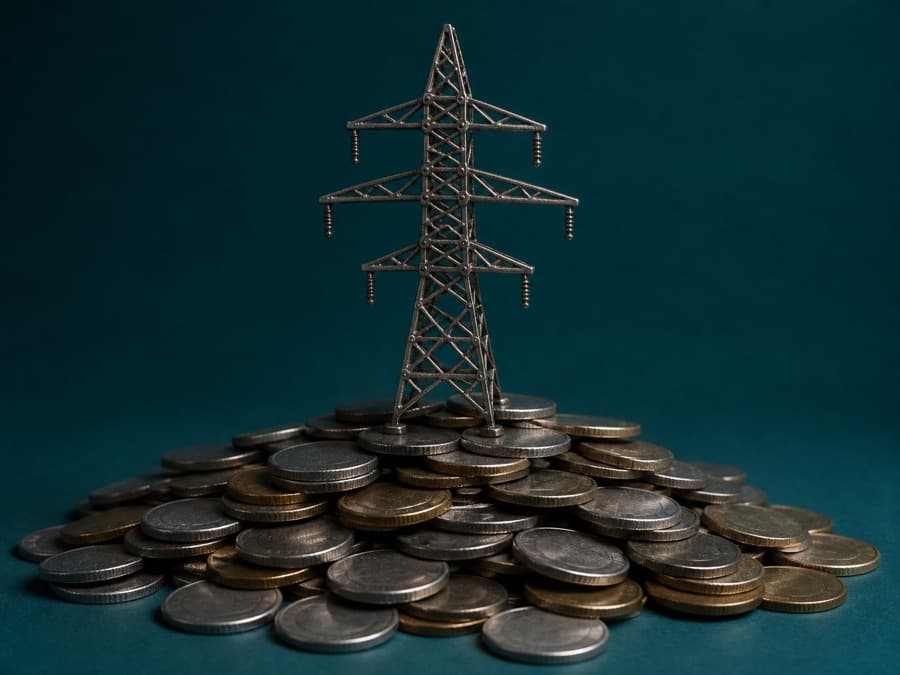
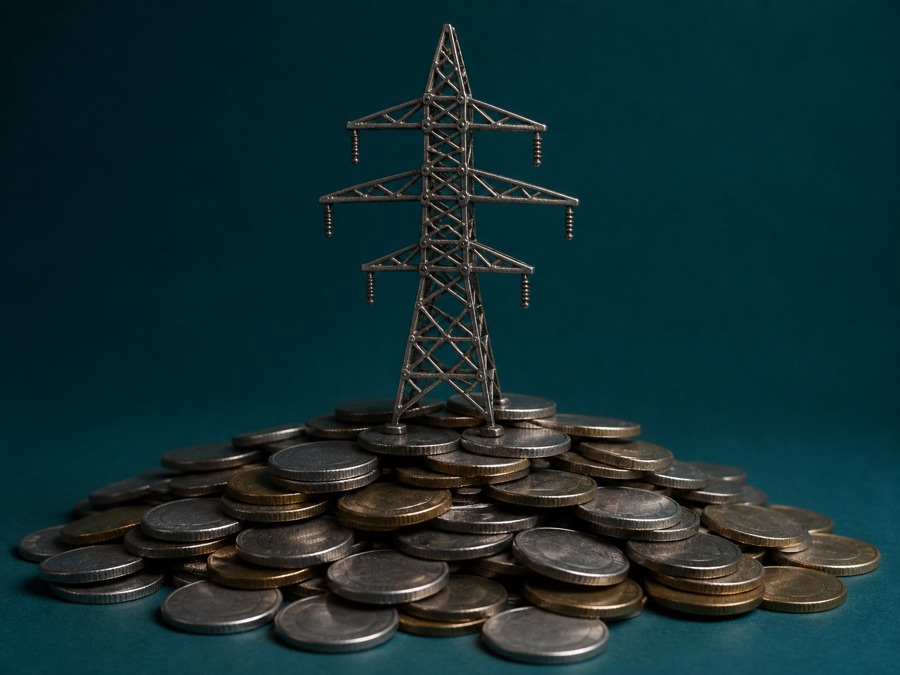
A small transmission tower model standing on a pile of coins, an image symbolizing the burden of power grid costs for AI data centers

Even someone who has never used generative AI will share the cost starting this November.

This is from a report by Nikkei (Japan's leading business daily) on its own X account and in a paid article at 9:06 a.m. KST on August 14, 2026. Major Japanese power companies filed for rate increases totaling about 600 billion yen.

Grid Upkeep Costs, Ultimately Landing on Households

According to Nikkei, the key background to the increase is the cost of maintaining the power grid that supports generative AI services such as ChatGPT and Gemini. Large data centers consume enormous amounts of power, and the cost of upgrading the transmission network for them ends up in electricity bills in the form of transmission charges.

Nikkei's article (category: 資源エネルギー, "Resources and Energy," published at 5 a.m. JST on August 14, 2026) reported that companies in charge of the grid filed for increases in "託送料金" (the fee for wheeling power over the grid). In the portion made free to read, Kansai Electric Power, Tokyo Electric Power Company Holdings, and others are tagged as related companies.

A comment from Professor Ichiro Sato of the National Institute of Informatics, quoted in the article, also gets to the heart of it. "We need a discussion that separates the costs: equipment that wouldn't have been needed without AI data centers should be borne by data center operators, equipment that benefits other users should be shared in proportion to benefit, and equipment needed for national policy such as security should be paid for with tax money."

Why It Became a Debate About Public Burden

The reason this news got a reaction on Japanese X is simple. People who don't use AI pay the fees too. The post drew many reactions such as "shouldn't AI companies bear this and add it to their usage fees?" and comparison replies saying "the U.S. is already shifting toward operators bearing the cost."

In fact, a similar argument is happening abroad. A user in the New York area was quoted in a post as saying their electricity bill rose by nearly half with no change in consumption, and most of that was an increase in the delivery and transmission charge (Delivery Charge).

What Readers Outside Japan Should Watch

This debate is not only about Japan. In South Korea too, the question of who bears power infrastructure investment costs is already being raised alongside the race to attract AI data centers. How the cost-sharing principles among utilities, governments, and AI operators are designed ultimately changes the electricity bills of ordinary households.

For companies, it also means that the more they invest in AI infrastructure, the more likely they are to be exposed to regulatory and cost-sharing discussions.

How Much Bills Will Rise Is Still Undecided

The body of the Nikkei article is for paid members only, and I could only check the free introduction (part of about 1,148 characters in total). The exact rate increase (%), the individual list of the eight utilities involved, and the detailed schedule of the application process sit in the paid portion, so I could not confirm them for this post.

"600 billion yen" is Nikkei's own tally, and whether it is actually approved and the final rate increase may vary with the outcome of review by Japan's Ministry of Economy, Trade and Industry.

Frequently asked questions

What is the key point of “Grid Upkeep Costs, Ultimately Landing on Households”?
According to Nikkei, the key background to the increase is the cost of maintaining the power grid that supports generative AI services such as ChatGPT and Gemini. Large data centers consume enormous amounts of power, and the cost of upgrading the transmission network for them ends up in electricity bills in the form of transmission charges . Nikkei's article (category: 資源エネルギー, "Resources and Energy," published at 5 a.m. JST on August 14, 2026) reported that companies in charge of the grid filed for increases in "託送料金" (the fee for wheeling power over the grid). In the portion made free to read, Kansai Electric Power, Tokyo Electric Power Company Holdings, and others are tagged as related companies.
What is the key point of “Why It Became a Debate About Public Burden”?
The reason this news got a reaction on Japanese X is simple. People who don't use AI pay the fees too. The post drew many reactions such as "shouldn't AI companies bear this and add it to their usage fees?" and comparison replies saying "the U.S. is already shifting toward operators bearing the cost." In fact, a similar argument is happening abroad. A user in the New York area was quoted in a post as saying their electricity bill rose by nearly half with no change in consumption, and most of that was an increase in the delivery and transmission charge (Delivery Charge) .
What is the key point of “What Readers Outside Japan Should Watch”?
This debate is not only about Japan. In South Korea too, the question of who bears power infrastructure investment costs is already being raised alongside the race to attract AI data centers. How the cost-sharing principles among utilities, governments, and AI operators are designed ultimately changes the electricity bills of ordinary households. For companies, it also means that the more they invest in AI infrastructure, the more likely they are to be exposed to regulatory and cost-sharing discussions.

Related articles