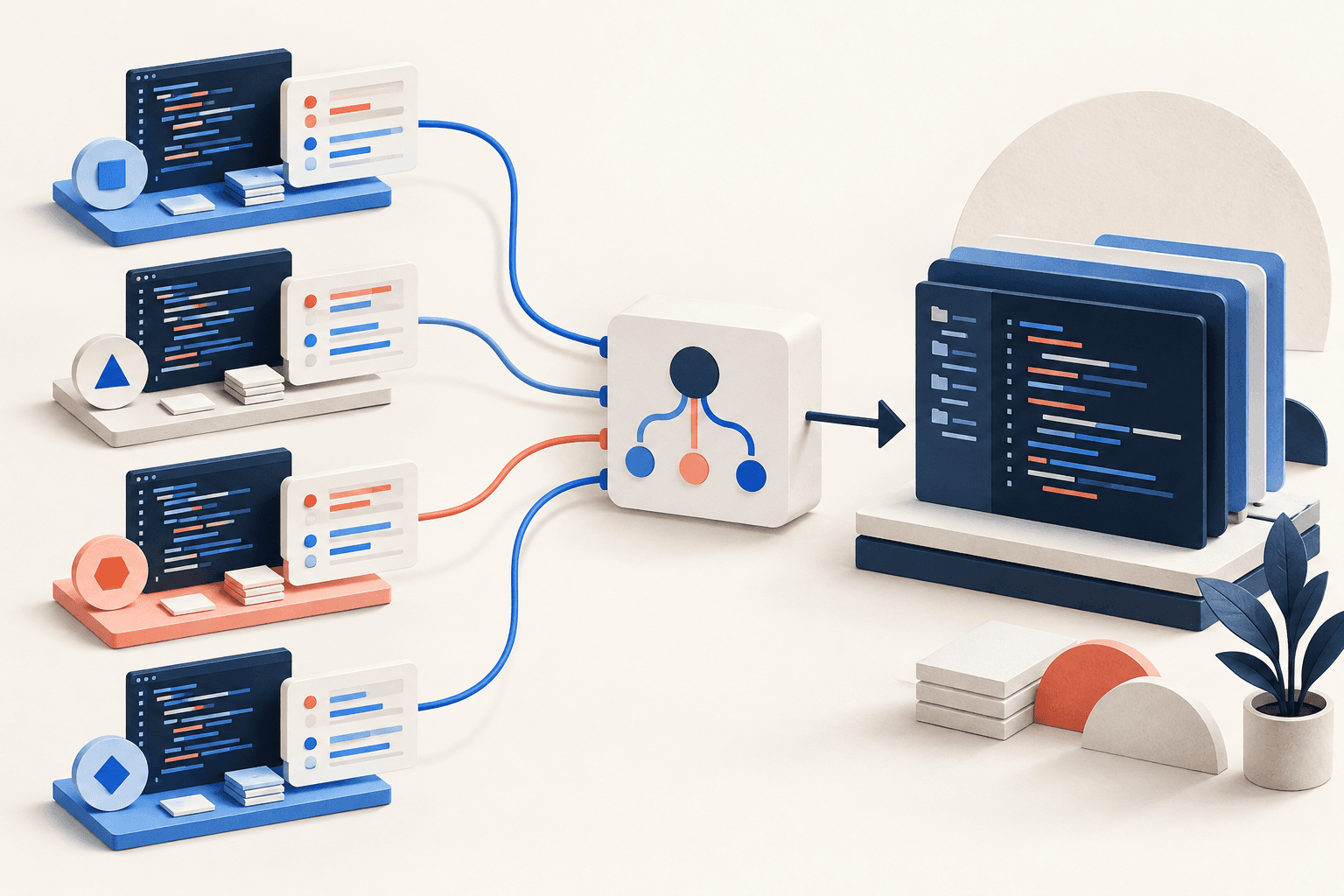
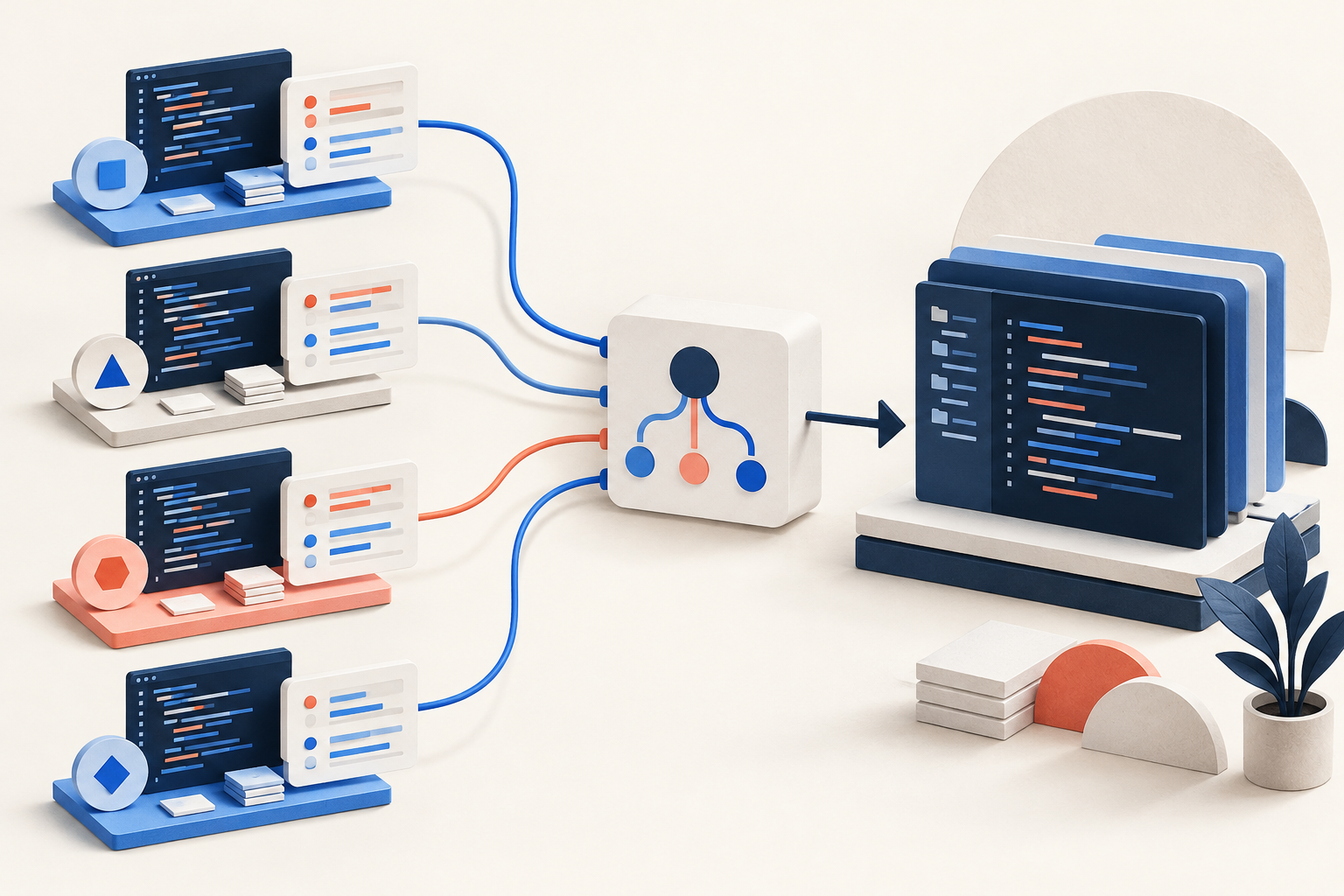
Anthropic has opened dynamic workflows for Claude Managed Agents in public beta. A lead agent can turn a request into a phased plan, then use a workflow program to run agents in parallel or in sequence and bring their findings together. ClaudeDevs also shared results from a codebase bug-finding experiment.
Workflows connect one agent’s result to the next step
With ordinary subagent delegation, the lead agent receives each result and decides what to ask for next. A dynamic workflow lets the agent write a program that coordinates multiple agents and passes data between them. A phase can run several tasks at once, or feed the output of one phase into the next. The server manages the run in the background while the lead agent checks its status and gathers the result.
The change is about letting an agent design and execute the work pattern, rather than simply increasing the number of workers. For another example of Claude agents in legal operations, see how ABC Legal uses Claude Managed Agents.
Configure multiagent and choose which agents can run
Dynamic workflows use the multiagent.type value multiagent_20261001 in an agent definition. Workflows and subagents are enabled by default for this type. You can disable subagents when you want to allow dynamic workflows without ordinary subagent delegation.
{
  "multiagent": {
    "type": "multiagent_20261001",
    "workflows": { "type": "enabled" }
  }
}
A workflow can use predefined agents or inline agents whose instructions are supplied for that run. The workflows configuration controls which predefined agents are allowed and whether inline agents may be created. ClaudeDevs shared /claude-api managed-agents-onboard bug-hunter as a Claude Code starting command. See also four updates to Claude Managed Agents.
Finding 66 of 70 seeded bugs in a 116k-line codebase
ClaudeDevs said it seeded 70 bugs into a codebase with 116k lines. In the published comparison, three single-agent runs found 14, 15, and 27 bugs. Three dynamic workflow runs found 66 bugs each. These figures are the results ClaudeDevs reported for that code exploration task.
The repeated workflow result makes phased coordination and combining findings worth examining. The numbers describe this particular seeded-bug exercise; they should not be read as a result for every coding task or repository.
Run limits and a practical first task
A workflow can start up to 1,000 agents over the lifetime of a single run. That is a cumulative run limit, not a simultaneous count. A run can have up to 64 active work threads at once. Retries may use new threads, so the total threads used over the run can exceed 64. The default limit is 10 concurrently open runs per session, and the default run lifetime is 24 hours.
Model usage is billed through the tokens used by each agent; the workflow run itself has no separate price. Because token use can grow with the number of agents and the work they perform, ClaudeDevs recommends starting with a narrowly scoped task and increasing complexity gradually.