
On August 20, OpenAI's official developer account (@OpenAIDevs) introduced cases of companies using Codex's open-source harness to embed agents in tools they already use. The post passed 350,000 views and links to the OpenAI developer blog post "Codex as a platform: build on the open agent harness."
The Codex harness has moved out of the chat window
The harness here is the layer between the model and the application that gathers context, reasons about tasks, uses tools, operates within defined limits, requests approval when needed, and keeps work going. OpenAI explains that because this harness is open source, developers can open up the layer themselves, understand how it works, and adjust the integration to fit their own product.
The screens stay yours; you only borrow the agent loop
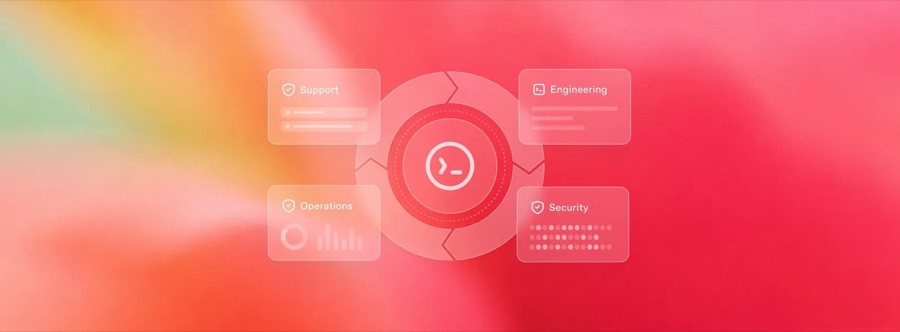
The official account put it this way: "Teams are bringing agents into the tools they already use, from internal apps to operations dashboards, with the open-source Codex harness. The application controls the interface, context, tools, and approvals, and the harness handles the agent loop." Instead of funneling every interaction into a single general-purpose chat window, the structure leaves the dashboards, editors, queues, record screens, and approval flows a team already uses as they are and layers agent capability on top.
Because it's open source, you can open it up and fit it
The practical advantage of this approach is integration flexibility. Because the harness is open source rather than a closed black box, developers can check at the code level exactly how context gathering, tool calls, and approval requests are handled, and adjust them to fit their own service's permission model and UI conventions. For a team that wants to attach an agent to internal tools, attaching the harness to screens already in use is an option that lowers the barrier to adoption more than designing a new interface.