Security

"160 Years of Biology in Two Months": How Much of Sinclair's AI Claim on Joe Rogan Is Real?.

On Joe Rogan's podcast, Harvard's David Sinclair said AI did "160 years of biology in two months." We check the real context, how credible it is, and which figures are unconfirmed.

· Huuush

"160 Years of Biology in Two Months": How Much of Sinclair's AI Claim on Joe Rogan Is Real?

Key takeaways

  1. 1Harvard Medical School geneticist David Sinclair got attention when he said on Joe Rogan's podcast that AI finished 160 years of biology work in two months.
  2. 2The practical background to the remark is molecular docking-based screening, which filters vast numbers of molecules by computer, a real trend that greatly cuts time in the early stage of drug candidate discovery.
  3. 3Sinclair has been criticized by academics several times for exaggerated claims, and the number of molecules screened and the time taken vary from interview to interview, so exact figures and peer-reviewed data have not been confirmed.
Image symbolizing a Harvard geneticist using AI to screen vast numbers of candidate molecules by computer to find an anti-aging drug candidate: a DNA helix combined with molecular structures and data graphs
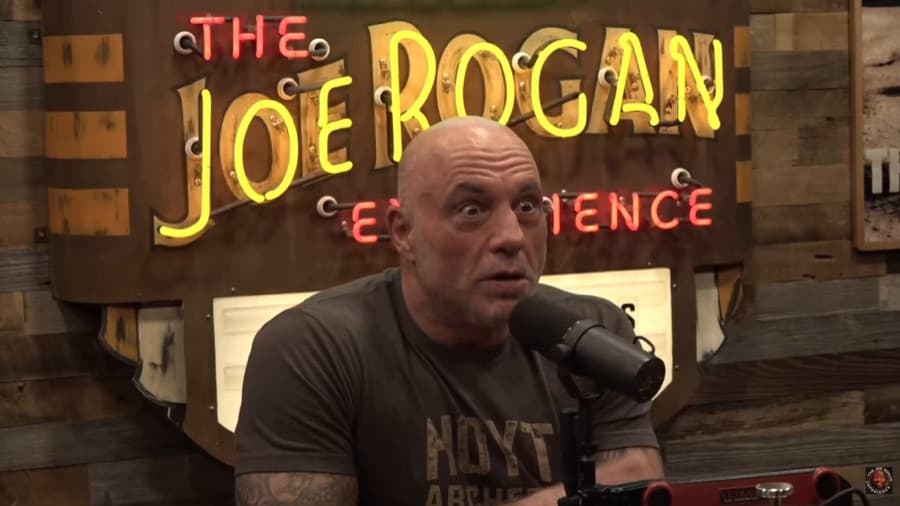
David Sinclair in the Joe Rogan podcast video (source: X @KanekoaTheGreat, original X post)

"AI helped us do 160 years of biology work in two months." When Harvard Medical School geneticist David Sinclair said this on Joe Rogan's podcast, Rogan asked back, "What?!" The X post with that clip spread with over 200,000 views and 3,900 likes. The remark comes from the episode The Joe Rogan Experience #2537, released on August 7, 2026.

The Line That Surprised Rogan, and the Actual Context

Sinclair made the remark while describing research to replace three "cocktail" drugs that reverse aging with a single molecule. He said, "You need to find one molecule that does three or four things in the cell at the same time." The key point is that in choosing this candidate, AI was used to filter a huge number of molecules by computer.

160 Years? Only on a Podcast?

Sinclair is a Harvard Medical School professor known for sirtuin and NAD research, author of the bestseller Lifespan, and co-founder of companies including Life Biosciences. But he is also someone who has been criticized by academics several times for exaggerated claims. In 2024 he stepped down as president of an aging research society (AHLR), and fellow scientist Matt Kaeberlein has said, "He often gets ahead of himself and says things that are not true."

Where AI Is Actually Changing Drug Discovery

The practical work behind the remark is screening based on molecular docking (virtual docking). Billions to trillions of candidate molecules are docked against a target enzyme by computer, then narrowed to 100 to 200 candidates that need lab validation. This ties in with a case introduced by Peter Diamandis and others, and shows a real trend that greatly cuts time in the early stage of drug candidate discovery.

The 160-Year Figure Differs by Interview

Sinclair has repeated the same "160 years" analogy on several podcasts, and the number of molecules screened (trillions vs. about 8 billion) and the time taken (one month vs. two months) differed slightly by interview. The original remark itself and the broader trend of "using AI to accelerate drug screening" are real, but exact figures and peer-reviewed data have not been confirmed. It is also worth keeping in mind, when taking in his remarks, that he has commercial ties to companies such as an NMN supplement maker.

Frequently asked questions

What was the context of Sinclair's "160 years" remark?
It came while he was describing research to replace three "cocktail" drugs that reverse aging with a single molecule. The key point is that in searching for one molecule that does three or four things in a cell at once, AI was used to filter a huge number of molecules by computer.
Is AI really changing drug discovery?
Yes. Screening based on molecular docking (virtual docking), which docks billions to trillions of candidate molecules against a target enzyme by computer and narrows them to 100 to 200 that need lab validation, is genuinely cutting time in the early stage of drug candidate discovery.
Can I trust the "160 years in two months" figure as is?
It is hard to take as is. Sinclair has repeated the same analogy on several podcasts, and the number of molecules screened (trillions vs. about 8 billion) and the time taken (one month vs. two months) differed slightly by interview. Exact figures and peer-reviewed data have not been confirmed.
Who is David Sinclair?
He is a Harvard Medical School professor known for sirtuin and NAD research, author of the bestseller Lifespan, and a co-founder of companies including Life Biosciences, but he has been criticized by academics several times for exaggerated claims. He stepped down as president of an aging research society in 2024, and it is worth keeping in mind that he has commercial ties to companies such as an NMN supplement maker.

Related articles