A claim from an indie developer has spread: Gemini named a game character that existed only in a private Google Doc. The controversy, which passed 870,000 views, has revived the question "how much of my data can AI see?"
Gemini Said the Name From a Private Document: Where the Leak Suspicion Began
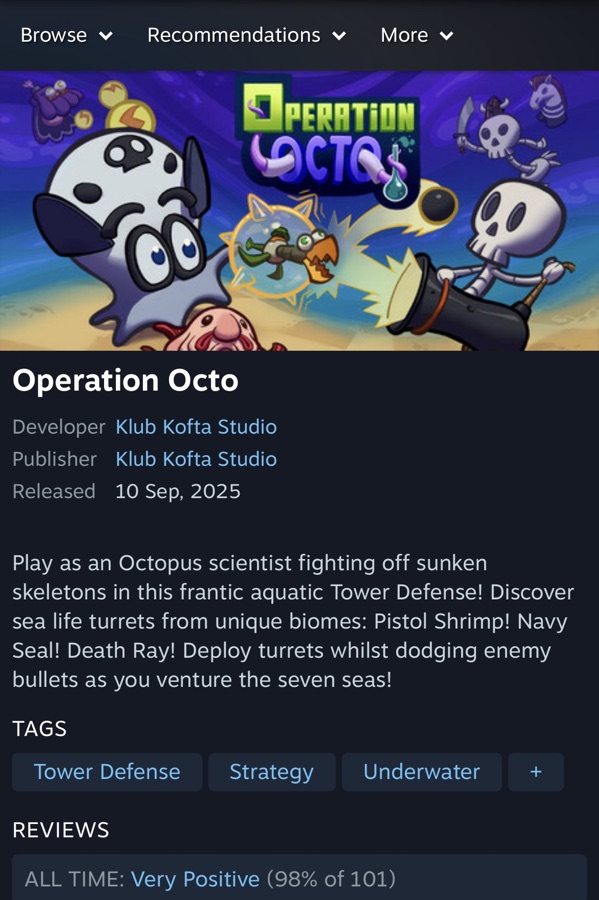
The solo developer of the underwater tower defense game Operation Octo claimed that a player on Discord asked Gemini-based AI search about the game's "future content," and the AI answered with the unreleased character name "Vantage Tripod".
According to the developer, the name was not in the game files, on Steam, in serialized data, or on Discord, and had never been typed into Gemini. The only digital copy was reportedly in the unreleased character list in a private Google Doc. The player is said to have used private browsing.
Google Denied It, but Where Did the Name Come From?
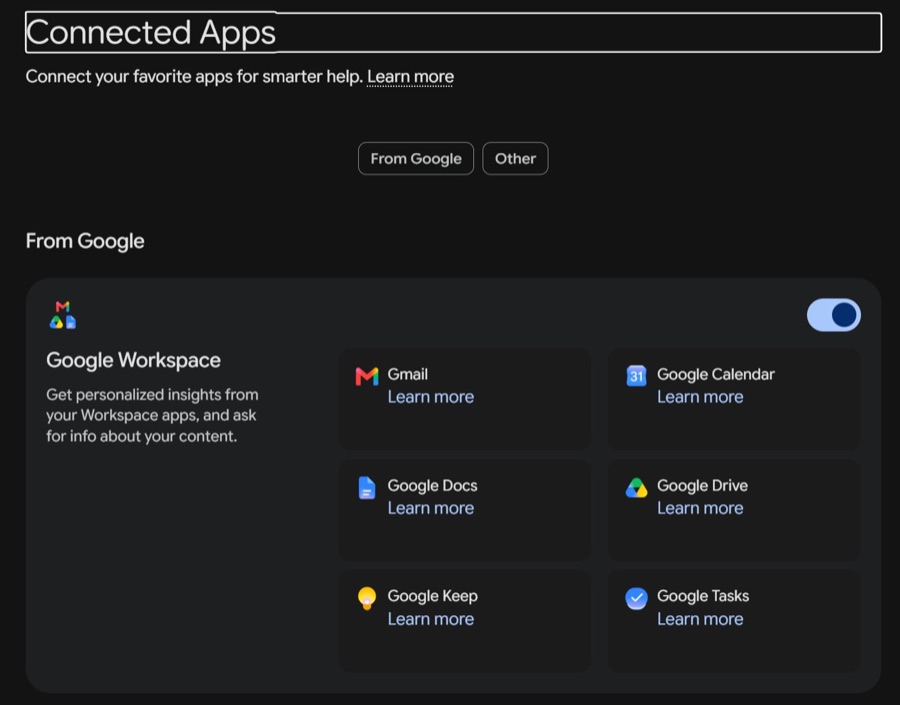
Google rebutted that "private Docs and Drive are not used to train foundation models." Its position is that Gemini accesses Workspace files only when a user explicitly asks, for example for a document summary, and that the data is processed on a one-time basis. It added that only documents whose sharing settings were opened up could be exposed to crawlers.
The problem is that it can't be reproduced. After the controversy grew, Gemini now answers citing a Reddit post as its source, making it impossible to verify how the original response came about. Explanations range from the AI combining character sketches fans had made public and Discord speculation, to hallucination, third-party extensions, and even suspicions of marketing.
When Personalization Loses Trust: What Users Start Asking
The key point is that "even without reading your files directly, AI can reveal secrets by combining scattered clues." Even if there was no actual breach, it feels like a "leak" to the user. Among developers, some advise encrypting or storing sensitive ideas separately before putting them in Google Docs.

Before Entrusting Private Documents: The Boundaries to Check
This case showed that "the moment AI seems to know your secrets, privacy anxiety explodes." Google has rebutted the training claim, but until the exact path is known, the question remains: where does the AI's inference end and access begin?
Related: X post